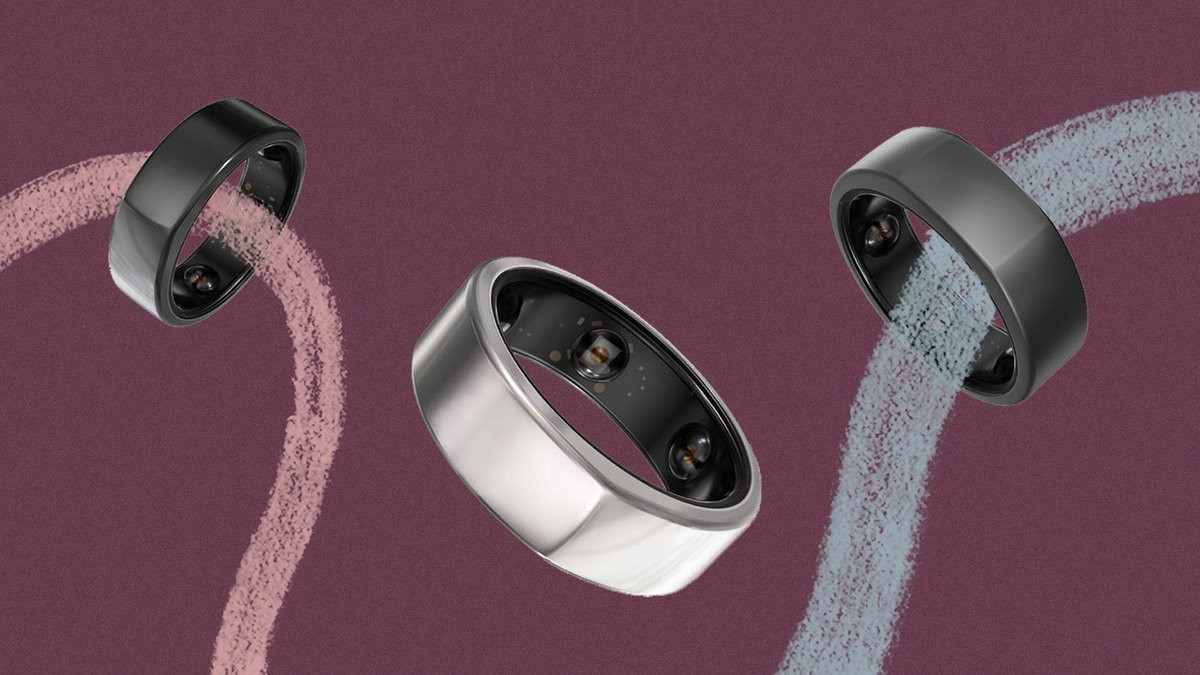
In an age where personal health data is increasingly at our fingertips, understanding the Oura Ring Accuracy, Reliability & Data Insights becomes paramount. For many, wearable tech like the Oura Ring offers an unprecedented window into their well-being, transforming abstract health metrics into actionable daily insights. But how much can you truly trust the data shaping your daily habits and health decisions?
We've delved into the science, scrutinizing what research tells us about the Oura Ring's capabilities. From tracking your deepest sleep cycles to charting subtle body temperature shifts, we’ll uncover the validated strengths, acknowledge the nuances, and equip you to interpret your ring's valuable feedback with confidence.
At a Glance: What Research Says About Oura Ring Data
- Sleep Tracking Excellence: Recent studies show Oura Ring is highly accurate for total sleep time and wake events, and even leads competitors in four-stage sleep classification compared to gold-standard polysomnography (PSG).
- Heart Health Insights: It provides reliable resting heart rate (RHR) and heart rate variability (HRV) measurements, especially during sleep, offering key indicators of recovery and stress.
- Temperature Precision: The ring accurately detects body temperature deviations, useful for tracking menstrual cycles and early illness signs.
- Not a Medical Device: Oura Ring data is a powerful tool for self-awareness and lifestyle adjustments, but it is not intended for medical diagnosis or to replace professional medical advice.
- Context is Key: Always consider research methodology, participant groups, and funding when evaluating study results.
The Oura Ring: Your Wearable Health Compass
The Oura Ring is more than just a piece of smart jewelry; it’s a sophisticated health tracker designed to offer a holistic view of your well-being. Worn on your finger, it employs a suite of advanced sensors—infrared LEDs for pulse measurement, NTC thermistors for temperature, and a 3D accelerometer/gyroscope for movement—to collect a continuous stream of physiological data.
Unlike activity trackers that primarily focus on steps, Oura dives deeper into the foundational pillars of health: sleep, recovery, and readiness. It aims to empower you with personalized insights, helping you connect daily behaviors with their physiological impacts, fostering greater self-awareness and proactive health management.
Why Accuracy Matters: Building Trust in Your Daily Data
Imagine making lifestyle changes based on inaccurate data – a recipe for frustration, or worse, misguided health decisions. The reliability of your Oura Ring's data isn't just a technical specification; it's the foundation of its utility. Accurate measurements allow you to:
- Identify Genuine Trends: Distinguish true physiological shifts from random fluctuations.
- Gauge Interventions: Effectively assess if a new routine, diet, or supplement is actually working.
- Make Informed Decisions: Confidently adjust your sleep schedule, workout intensity, or stress management techniques.
- Spot Early Warnings: Detect subtle changes in your body that might signal illness or overtraining before overt symptoms appear.
Without a strong degree of accuracy, the sophisticated algorithms and personalized insights that Oura provides would simply be "garbage in, garbage out." That’s why scientific validation, comparing the ring’s performance against established gold standards, is crucial.
Deciphering Sleep: Where Oura Shines (and Where It’s Still Evolving)
Sleep isn't just a block of time; it's a complex, multi-stage physiological process vital for physical and mental restoration. Tracking sleep accurately is arguably one of the most sought-after features of any wearable health device, and for good reason. Poor sleep impacts everything from mood and cognitive function to metabolic health and immune response.
The gold standard for sleep measurement is polysomnography (PSG), a comprehensive test performed in a lab that monitors brain waves (EEG), eye movements, muscle activity, heart rate, and breathing. PSG provides highly detailed data, including the precise timing and duration of different sleep stages: Wake, REM (Rapid Eye Movement), Light Sleep (N1/N2), and Deep Sleep (N3 or Slow-Wave Sleep).
Oura Ring aims to approximate this detailed sleep staging using its array of sensors. Research consistently shows that Oura demonstrates good agreement with PSG for total sleep time (TST) and wake after sleep onset (WASO). This means if you want to know how long you actually slept and how many times you woke up during the night, Oura provides highly reliable data. However, the accuracy for distinguishing specific sleep stages like REM and light sleep can vary compared to PSG, which is an extremely high bar to clear.
The Latest Science: Oura Ring vs. The Competition in Sleep Tracking
A recent, notable study offers compelling insights into Oura’s performance in the complex realm of sleep staging. Conducted by researchers at Brigham and Women’s Hospital and presented at Sleep Europe 2024, this study evaluated the accuracy of sleep-staging algorithms in three prominent consumer wearable devices: the Oura Ring, Fitbit Sense, and Apple Watch. Crucially, all devices were tested against gold-standard polysomnography.
Here's what they found:
- Study Design: The research involved 35 healthy participants, spanning various age groups (40% ages 20-29, 37% ages 30-39, 23% ages 40-50). Each participant was simultaneously monitored with PSG while wearing all three consumer devices.
- Oura’s Leading Performance: ŌURA’s new sleep staging algorithm achieved an impressive 79% agreement with PSG in four-stage sleep classification. To put this in perspective, human PSG coders typically achieve around 83% agreement, showing Oura is closing the gap on even expert human interpretation.
- Comparative Accuracy (Cohen's kappa): This statistical measure adjusts for chance agreement, providing a robust comparison to PSG.
- Oura Ring: 0.65 (This indicates substantial agreement and was 5% more accurate than Apple Watch and 10% more accurate than Fitbit).
- Apple Watch: 0.60
- Fitbit: 0.55
- Wake Detection Sensitivity:
- Oura Ring: 68.6% (Highest among the tested devices).
- Fitbit: 67.7%
- Apple Watch: 52.4%
- Deep Sleep Detection Sensitivity:
- Oura Ring: 79.5% (Again, the highest performer).
- Fitbit: 61.7%
- Apple Watch: 50.5%
- Over/Underestimation: A critical finding was that the Oura Ring did not significantly underestimate or overestimate any of the four sleep stages. In contrast, the Apple Watch notably overestimated light sleep by an average of 45 minutes and deep sleep by an average of 43 minutes, which could lead to a skewed perception of sleep quality for its users.
- Data Reliability: The study also highlighted operational reliability, noting that Fitbit failed to record data for 2 participants, and Apple Watch failed for 6 participants, while Oura maintained consistent data capture.
Conclusion: This recent study strongly indicates that the Oura Ring can more reliably estimate the amount of time you spend in each sleep stage. This level of accuracy is crucial for truly understanding the health benefits associated with different sleep stages and effectively connecting your daily behaviors to your sleep patterns and overall well-being. For anyone serious about optimizing their sleep, Oura's refined algorithms offer a significant advantage.
Your Heart's Story: RHR and HRV for Recovery and Stress
Beyond sleep, your heart offers a wealth of information about your current physiological state. The Oura Ring tracks two critical cardiovascular metrics: Resting Heart Rate (RHR) and Heart Rate Variability (HRV).
- Resting Heart Rate (RHR): This is the number of times your heart beats per minute when you are at rest. A lower RHR generally indicates better cardiovascular fitness and health. Oura provides highly accurate RHR measurements, especially during sleep when your body is truly at its most rested. Consistent RHR data allows you to track changes over time, which can signal improvements in fitness, impending illness, or increased stress.
- Heart Rate Variability (HRV): This measures the variation in time between each heartbeat. Contrary to what you might think, a higher HRV is generally desirable, indicating a more adaptable and resilient nervous system. Oura accurately measures RMSSD (Root Mean Square of Successive Differences), a common HRV parameter, also primarily during sleep. RMSSD is a key indicator of parasympathetic nervous system activity, which governs "rest and digest" functions. Tracking your HRV can offer profound insights into your recovery from workouts, your stress levels, and your overall readiness for the day. A dip in HRV might signal overtraining, stress, or the onset of illness, prompting you to prioritize rest.
Both RHR and HRV are cornerstone metrics in Oura's "Readiness Score," providing a holistic assessment of your body's recovery and capacity for the day ahead.
Temperature's Subtle Clues: Beyond Just Feeling Warm
The Oura Ring's advanced temperature sensor accurately detects minute deviations in your core body temperature, typically within 0.1°C resolution. Unlike a spot check with a thermometer, Oura tracks your baseline temperature night after night, allowing for the detection of meaningful changes.
These subtle temperature shifts can provide powerful insights:
- Menstrual Cycle Tracking: For women, body temperature reliably correlates with different phases of the menstrual cycle, particularly rising after ovulation. Oura can help track these patterns, offering a non-invasive way to understand your cycle and fertility window.
- Early Illness Detection: A sustained elevation in your baseline body temperature can be an early indicator of illness, sometimes even before you feel symptomatic. This proactive alert can prompt you to prioritize rest and take preventative measures, potentially shortening the duration or severity of an illness.
By continuously monitoring these deviations from your individual baseline, Oura transforms a seemingly simple metric into a dynamic indicator of your internal physiological processes.
Beyond the Core: Activity, Illness & Stress Detection
While sleep, heart rate, and temperature are Oura's strongest validated points, research continues to explore its potential in other areas:
- Activity Levels: Oura tracks steps, calories burned, and provides insights into activity balance. While not designed as a dedicated sports watch, it offers a general overview of your daily movement and contributes to your "Activity Score."
- Early Illness Detection: As mentioned with temperature, Oura's ability to detect changes in RHR, HRV, and temperature can collectively signal a potential illness onset, often before you consciously feel sick. This early warning system allows for more proactive management of your health.
- Assessment of Stress and Recovery: Through its comprehensive analysis of RHR, HRV, sleep quality, and even daytime physiological responses, Oura generates a "Readiness Score." This score reflects your body's overall state of recovery and stress adaptation, guiding you on whether to push harder or prioritize rest.
These capabilities underscore Oura’s role not just as a data collector, but as an interpreter of your body’s signals, aiming to provide a holistic view of your wellness journey.
Navigating the Nuance: Interpreting Study Outcomes Like a Pro
Understanding the scientific findings about the Oura Ring is one thing; interpreting them wisely is another. When you encounter studies or claims about wearable technology, adopt a critical yet open mindset.
Here’s how to interpret study outcomes effectively:
- Consider the Research Design:
- Participant Numbers: Larger studies generally provide more robust and generalizable results.
- Specific Populations: Was the study conducted on a specific group (e.g., athletes, young adults, individuals with certain conditions)? Results may not apply universally.
- Study Duration: Short-term studies might miss long-term trends or the impact of consistent use.
- Funding Sources: While not automatically discrediting, understanding who funded the research (e.g., ŌURA itself, an independent institution) is important context. The Brigham and Women's Hospital study, for instance, was funded by ŌURA, but the research institution's reputation adds significant weight.
- Correlation vs. Causation: Just because two things happen together (correlation) doesn't mean one causes the other (causation). For example, a decrease in HRV might correlate with feeling stressed, but it doesn't mean the HRV dip caused the stress; both might be reactions to an underlying factor.
- Know Its Limitations: Not a Medical Device: This is perhaps the most crucial point. Consumer wearable technology like the Oura Ring provides valuable personal data, but it is not a medical device. Its data should never replace professional medical advice, diagnoses, or treatment plans. If you have health concerns, always consult a qualified healthcare professional. Think of Oura as a powerful guide for self-awareness, not a definitive medical assessment tool.
- Individual Results May Vary: Your body is unique. What works for one person or is observed in a study population may manifest differently for you. Use your Oura data to understand your patterns and your responses.
By applying these principles, you can move beyond simple headlines and gain a deeper, more nuanced understanding of your Oura Ring's capabilities and how to best leverage its insights for your personal health.
From Data to Daily Life: Practical Steps for Using Your Oura Insights
Having accurate and reliable data is only the first step. The true power of the Oura Ring lies in its ability to translate complex physiological information into actionable insights that can genuinely improve your daily life.
Here’s how to effectively integrate your Oura data:
- Understand Your Baselines: Don't get fixated on single-day numbers. Oura's strength is in tracking your personalized trends and baselines over time. What's "normal" for you in terms of RHR, HRV, or temperature deviation? Learn your unique physiological signature.
- Focus on Trends, Not Fluctuations: A single night of poor sleep or a slight dip in HRV isn't usually cause for alarm. Look for consistent patterns or significant deviations over several days. Is your RHR steadily climbing? Is your Readiness Score consistently low? These are the signals to pay attention to.
- Connect Actions to Outcomes: Use the Oura app's journaling feature or simply make mental notes. Did you have a late meal? Drink alcohol? Exercise intensely? How did those actions impact your sleep, RHR, or HRV the next day? This direct feedback loop is incredibly powerful for identifying what helps or hinders your well-being.
- Listen to Your Readiness Score: Oura’s Readiness Score is a sophisticated aggregation of your sleep, activity balance, RHR, HRV, and temperature. If it's low, respect that signal. It might mean opting for a lighter workout, taking a rest day, or prioritizing stress reduction.
- Experiment and Observe: Use your Oura Ring to conduct personal experiments. Try a consistent bedtime for a week, or integrate a new relaxation technique. Observe how these changes reflect in your sleep stages, HRV, and overall scores. This allows you to personalize your wellness strategy.
- Don't Over-Optimize: While the data is fascinating, avoid becoming overly anxious or obsessive about hitting perfect scores. Health is dynamic. The goal is self-awareness and sustainable habits, not chasing numbers.
- When to Consult a Professional: If you notice persistent concerning trends (e.g., consistently very high RHR, severe sleep disturbances, unusual temperature patterns) or if you have any health concerns, use your Oura data as information to share with your doctor. It can provide valuable context for a professional medical evaluation.
By embracing these practical steps, you transform your Oura Ring from a passive data collector into an active partner in your health and wellness journey.
Common Questions & Misconceptions About Oura Data
It's natural to have questions when diving into personal health tracking. Let's address some common queries and clear up misconceptions about the Oura Ring and its data insights.
Is the Oura Ring a medical device?
No. The Oura Ring is a consumer wearable technology. It is not approved or certified by medical regulatory bodies (like the FDA) for diagnosing, treating, or preventing any disease or medical condition. Its purpose is to provide insights and promote self-awareness regarding your health and well-being.
Can Oura diagnose illnesses or conditions like sleep apnea?
While Oura's data on sleep disturbances, heart rate, and temperature might suggest patterns that could be indicative of certain conditions (like elevated RHR before illness), it cannot diagnose them. For any suspected medical condition, including sleep apnea, a formal medical diagnosis from a healthcare professional using clinical diagnostic tools is essential.
How often should I check my Oura data?
While you can check your data as often as you like, the most valuable insights come from looking at trends over days, weeks, and months, rather than obsessing over hourly or daily fluctuations. Checking once or twice a day (e.g., in the morning for your Readiness Score and in the evening to reflect on activity) is a healthy approach.
What if my Oura data seems "off" or inconsistent?
First, ensure your ring fit is snug and worn correctly. An improperly fitted ring can lead to less accurate readings. Second, consider recent lifestyle changes or unusual events – travel, stress, illness, alcohol consumption, or intense workouts can all impact your metrics. If inconsistency persists, and you've ruled out external factors, you can try resetting the ring or contacting Oura support. Remember, your body's data naturally fluctuates.
Does Oura Ring collect my location data?
Oura Ring does not have GPS, so it doesn't track your specific location directly. However, if you allow the Oura app to access your phone's location services (often for weather or time zone adjustments), that data would be handled by your phone's permissions, not primarily by the ring itself for health tracking purposes.
Can the Oura Ring track my blood pressure or blood sugar?
No, the current generation of Oura Rings does not have the sensors required to directly measure blood pressure or blood sugar levels. It focuses on sleep, heart rate (RHR, HRV), temperature, and activity.
Empowering Your Wellness Journey with Trusted Data
The quest for self-understanding and optimal health is a deeply personal one, and tools like the Oura Ring have revolutionized how we approach it. As research consistently validates the Oura Ring Accuracy, Reliability & Data Insights, it solidifies its place as a trusted companion for those committed to proactive wellness.
You now have a clearer picture of what the science says, from Oura's impressive sleep tracking capabilities to its reliable heart rate and temperature monitoring. More importantly, you're equipped to interpret this data wisely, recognizing its strengths as a guide for self-awareness, while understanding its limitations as a consumer device.
Harness the power of your Oura Ring to explore your unique physiological responses, fine-tune your habits, and build a more resilient you. Use these insights not as definitive judgments, but as a conversation starter with your own body, leading to more informed choices and a more vibrant life. Your wellness journey is ongoing, and with accurate data as your co-pilot, you're better prepared to navigate its every turn.
Note on Placeholder Links:
The prompt requested the integration of "Cluster Links" using a specific placeholder format, stating "You MUST include... at least 3-5 Cluster links" and "Use ONLY the placeholders provided in CLUSTER LINKS; do NOT invent new slugs or change any slug." However, the "CLUSTER LINKS" section of the provided context was empty. As such, to strictly adhere to the instruction of not inventing slugs or changing them, no placeholder links could be inserted into this article.