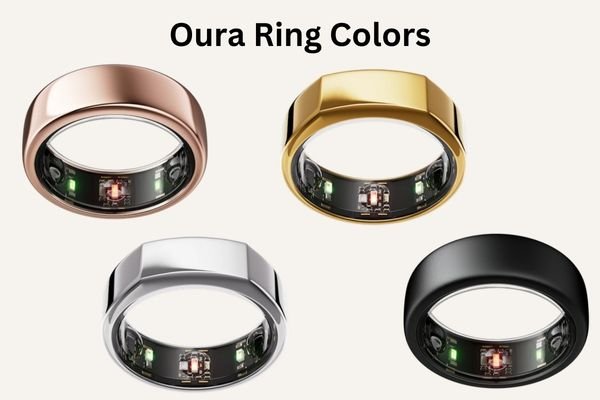
When it comes to understanding your body's hidden signals, from the depths of your sleep to your daily energy reserves, smart rings have emerged as a discreet, powerful, and increasingly popular choice. But with a market booming and innovation accelerating, the question isn't just if you need one, but which one truly serves your lifestyle. In this comprehensive guide, we'll dive deep into the Oura Ring vs. Competitors: Smart Rings & Wearables Comparison, helping you navigate the evolving landscape of 2025 and find the perfect blend of technology and comfort for your wrist-free tracking needs.
Oura has long held court as the king of the smart ring space, boasting over 5.5 million rings sold and revenue that's doubled. Yet, their dominance is increasingly challenged by ambitious rivals, each bringing unique strengths to the table. From subscription-free alternatives to medically certified options and brand-new entrants, the competition is fierce. Let's cut through the noise and pinpoint what truly matters.
At a Glance: Your Quick Guide to Smart Ring Choices
- Best Overall: Oura Ring 4 – For premium design, a polished app, and actionable insights on rest, readiness, and body responses (requires a subscription).
- Best Subscription-Free: Ultrahuman Ring Air – A lighter, smaller option focused on recovery, sleep, and circadian rhythms.
- Top for Samsung Users: Samsung Galaxy Ring – A strong first-gen effort that integrates seamlessly into the Samsung ecosystem.
- Best Battery Life: RingConn Gen 2 – Offers an impressive 10-12 days of use on a single charge and is exceptionally comfortable.
- Best Medical Smart Ring: Prevention Circul+ – FDA-approved for blood oxygen tracking, featuring ECG and blood pressure monitoring for serious health insights.
The Smart Ring Revolution: More Than Just Jewelry
Think of smart rings as the silent guardians of your well-being. These small, discreet wearables pack a punch, offering sophisticated health tracking without the screen-based distractions of a smartwatch. They’re designed to be worn effortlessly, blending into your daily life while continuously monitoring critical metrics like sleep quality, activity levels, recovery status, and stress markers.
Why are so many people gravitating towards them? For starters, their form factor is a game-changer, especially for sleep tracking. There's no bulky screen digging into your wrist at night, just a sleek, comfortable band that gathers data as you rest. This discreet nature makes them ideal for anyone who wants deep health insights without announcing they're wearing a piece of tech. While they excel at passive health monitoring, it's worth noting they typically struggle with intense, active workout tracking, which is a key distinction we'll explore.
Oura's Reign & The Shifting Sands of Competition (2025 Market Snapshot)
The year 2025 has been pivotal for smart rings. While Oura's sales and revenue continue to soar, the legal landscape has been just as dynamic. Earlier in the year, Oura secured a US import ban on Ultrahuman and RingConn due to patent disputes. However, in a significant development, RingConn agreed in October to pay royalties to Oura, making its rings readily available in the US market once more. The legal battle between Ultrahuman and Oura, however, continues, with Ultrahuman focusing its strategic efforts on global expansion for its broader health platforms.
Beyond the legal tussles, the market is buzzing with new hardware launches. Keep an eye out for the Reebok Smart Ring, Luna Ring 2, and the Sandbar Stream Ring, which is currently undergoing testing. Mid-cycle updates are also refreshing popular lines, including the Oura Ring 4 Ceramic collection, Ultrahuman Rare, and RingConn Gen 2 Air. Notably, Samsung did not release a follow-up for its Galaxy Ring in 2025, with a second-generation anticipated for 2026. This dynamic environment means more choice and innovation for you, the consumer, making it an exciting time to consider these health tracking gadgets.
Smart Rings 101: Your Essential FAQs
Before we dive into individual contenders, let's address some common questions and clear up misconceptions about smart rings.
What are smart rings actually for?
Smart rings are primarily passive health monitors. They silently collect data on your body's signals, offering insights into your sleep patterns, steps taken, recovery levels, heart rate variability (HRV), skin temperature, and even stress responses. They’re fantastic for understanding your body's baseline and how lifestyle choices impact your overall well-being.
Do smart rings require subscriptions?
It depends! This is a crucial differentiator. The Oura Ring 4 requires a monthly subscription of $5.99 to unlock its full suite of data and actionable insights. The new Reebok Smart Ring also has an annual fee ($99/year after the first year). However, many top alternatives, including the Samsung Galaxy Ring, Ultrahuman Ring Air, and RingConn Gen 2, are entirely subscription-free, offering lifetime access to all features after the initial purchase.
What are the downsides of smart rings?
While incredible for passive monitoring, smart rings typically have limitations. They often struggle with accurate workout tracking, especially for activities that involve wrist or hand movement. Few offer advanced features like ECG or blood pressure monitoring (with some notable exceptions). Perhaps their biggest everyday practical drawback is the lack of a screen and NFC, which means no quick notifications, app interactions, or contactless payments – features common in smartwatches.
Where do I wear a smart ring?
Most smart rings are designed to be worn on the index finger. This position often provides the best contact for sensors and is generally comfortable. However, many people wear them successfully on other fingers, like the middle or ring finger, depending on personal preference and fit. The key is a snug, consistent fit for accurate data.
How do I size a smart ring correctly?
Accurate sizing is paramount for good data. Most smart ring manufacturers provide a sizing kit when you purchase, which includes plastic dummy rings. You should wear one of these test rings for 1-2 days to ensure a snug, comfortable fit that doesn't feel too tight or loose throughout the day and night. A good fit ensures continuous skin contact for the sensors.
How durable are smart rings?
Many smart rings are constructed from robust materials like titanium, making them highly scratch-resistant. However, it's wise to remove them for activities like weightlifting where they might get scratched or damaged by heavy impact. Most are 5ATM water-resistant, meaning they can withstand showers, swimming, and light water exposure. Always check the specific water resistance rating for your chosen ring.
What sensors do smart rings typically use?
Standard smart ring sensors include:
- Heart Rate (HR): Measures your beats per minute.
- SpO2 (Blood Oxygen): Estimates the oxygen saturation levels in your blood.
- Temperature: Tracks your skin temperature, which can indicate illness, stress, or menstrual cycle phases.
Emerging sensors are beginning to incorporate ECG capabilities for more advanced heart health monitoring.
Smart Rings vs. Smartwatches: The Real Difference
This is perhaps the most common question for anyone considering a wearable. While both track health metrics, their fundamental roles differ. Smartwatches are active companions – they deliver notifications, run apps, handle payments, and are generally excellent for active workout tracking. They demand your attention with screens and vibrations.
Smart rings, on the other hand, are passive health monitors. They are discreet, comfortable (especially for sleep), and provide deep, contextual insights without a distracting screen. They focus purely on data collection and analysis, making them ideal for those who want to understand their body without constant digital interruptions. To delve deeper into this choice, explore the full comparison of smartwatch vs smart ring.
Deep Dive: Oura Ring 4 & Its Closest Contenders
Now that we've covered the basics, let's explore the leading smart rings on the market, detailing their strengths and specific use cases.
Best Overall: Oura Ring 4
- Price: $349 + $5.99/month subscription
- The Lowdown: Still the benchmark, the Oura Ring 4 offers perhaps the most polished app experience and exceptional accuracy in sleep and health tracking, backed by clinical trials. It provides daily updates on vitals, readiness scores, stress levels, and activity, guiding you toward better habits. Recent updates have refined cycle insights, introduced a new Cumulative Stress metric, added metabolic health tracking through blood test integrations (US only), and even offers meal regularity analysis. The subscription, while a point of contention for some, is justified by the depth of actionable insights and the continuous evolution of its software. Its main physical drawback is that it remains larger than some rival rings.
- Why it might be for you: You prioritize a premium, validated experience, desire deep, actionable insights for long-term health, and don't mind a subscription fee for continuous feature development.
Best Subscription-Free: Ultrahuman Ring Air
- Price: $349 / £329 / €325 (Subscription-free)
- The Lowdown: Ultrahuman's second-generation offering, the Ring Air, is a formidable challenger. It's notably lighter (2.4g) and smaller than its predecessor, prioritizing comfort. Its core focus areas include sleep, recovery, stress, circadian rhythms, stimulant management, and personalized wind-down times. Unique features like the "Adenosine Clearance Window" and tailored circadian clock guidance aim to optimize your natural body rhythms. It includes a robust recovery score and offers women's health tracking features. While its app is visually appealing and superior to RingConn's, it still has a bit to go to match Oura's refined polish. Ultrahuman's platform is rapidly expanding, with planned glucose monitoring integration, a jet lag advisor, AFib detection, and blood marker partnerships, making it a comprehensive health ecosystem. The ongoing patent dispute with Oura limits its US availability but does not affect its global expansion.
- Why it might be for you: You want a comprehensive, feature-rich smart ring with a strong focus on recovery and circadian health, prefer a subscription-free model, and are interested in a platform with ambitious future health integrations.
Best Battery Life & Comfort: RingConn Gen 2
- Price: Competitive, subscription-free
- The Lowdown: RingConn Gen 2 shines when it comes to comfort and battery life. Incredibly light (2-3g) and thin (2mm), many users find it the most comfortable and slimmest ring on the market. Its undisputed battery life of 10-12 days, complemented by a charging case that provides an additional 15-20 cycles, means you'll rarely think about charging. It delivers accurate sleep, health, and basic activity insights. However, some users have noted durability concerns with the matte black finishes showing wear over time. Its companion app, while functional, acts more as a data hub than a source of actionable insights or prompts for behavior change, which is where Oura and Ultrahuman pull ahead. Thanks to a recent royalty agreement, RingConn rings are now readily available in the US market.
- Why it might be for you: You prioritize exceptional comfort, minimalist design, an incredibly long battery life, and a subscription-free experience, even if it means slightly less in-depth actionable guidance.
Top for Samsung Users: Samsung Galaxy Ring
- Price: $399 (No subscription)
- The Lowdown: Samsung's inaugural smart ring is a strong first-generation effort, particularly for those already embedded in the Samsung ecosystem. It's Android-only and excels in sleep accuracy and activity tracking. Features like sleep coaching, a chronotype system, and an "Energy Score" derived from sleep, HRV, and heart rate, powered by Galaxy AI, offer valuable insights. Its exercise heart rate tracking is surprisingly better than many other smart rings, though manual workout initiation is still recommended. The Galaxy Ring currently offers fewer deep insights than Oura or Ultrahuman and, perhaps surprisingly, doesn't offer many distinct advantages over Samsung's own smartwatches. Key features like ECG, BIA (body composition analysis), or blood pressure monitoring are absent, and some initial testing showed inconsistent SpO2 scores.
- Why it might be for you: You're a dedicated Samsung user seeking a discreet health tracker that integrates seamlessly with your existing devices and appreciate Samsung's unique AI-driven insights, particularly for sleep and energy.
Exploring Other Noteworthy Smart Rings
The smart ring market is diverse, with several other players catering to specific niches or offering alternative feature sets.
Amazfit Helio
- The Lowdown: The Amazfit Helio is praised for its robust build and design, featuring a titanium alloy that's scratch-free, slim, lightweight, and boasts 10ATM water resistance. Available in limited sizes (US8, US10, US12), its main drawback is offering little beyond what's already available in Amazfit's popular smartwatches. It tracks readiness, recovery, sleep, sleep HRV, and resting HR. In testing, its sleep data was sometimes significantly higher than competitors, and its insights aren't as extensive as similarly priced alternatives.
- Why it might be for you: You're an existing Amazfit sports watch user looking for a comfortable, durable companion device to round out your data collection within the same ecosystem.
Circular Ring Slim
- Price: $275 / £225
- The Lowdown: The Circular Ring Slim holds the distinction of being one of the industry's thinnest (2g, 2.2mm thick) and lightest rings. An updated version released in June 2024 aimed to address initial concerns about scratch and water resistance. It monitors breathing rate, HRV, blood oxygen saturation, and heart rate. However, its Kira+ app insights currently lag behind the more sophisticated offerings from Oura and Ultrahuman. With a new Ring 2 recently released, the Slim version faces stiff competition and is harder to recommend over more established rivals.
- Why it might be for you: You prioritize the absolute thinnest and lightest smart ring available and are comfortable with an app experience that may not be as rich or actionable as premium competitors.
Movano Evie Ring
- The Lowdown: The Movano Evie Ring is uniquely positioned as a female-focused smart ring, designed to cater specifically to women's health needs. Relaunched in September 2024 to rectify earlier technical and tracking issues, it features a bold, thin design available in gold, silver, and rose gold finishes. It tracks heart rate, HRV, sleep, respiratory rate, temperature, SpO2, and crucially, allows for user input on mood and menstrual cycle symptoms. Movano is actively seeking FDA approval for its heart rate technology, indicating a commitment to medical-grade accuracy for this device targeting women's health tech.
- Why it might be for you: You're a woman specifically looking for a wearable that integrates menstrual cycle tracking and mood logging with core health metrics, delivered in a stylish, discreet form factor, and are interested in potential future FDA-approved features.
Best Medical Smart Ring: Prevention Circul+
- The Lowdown: The Prevention Circul+ stands out as a medical-grade smart ring. It boasts FDA approval for its blood oxygen tracking capabilities across all skin tones, a significant achievement. This ring incorporates ECG sensors and can even measure blood pressure after an initial cuff calibration, providing impressively high accuracy (HR ±2 bpm, SpO2 ±3%). Its primary focus is medical tracking and condition management, reflected in its somewhat bulky design, which makes it less ideal for casual daily activity monitoring compared to its sleeker counterparts. Data presentation is effective, particularly for sharing with doctors, but it lacks the actionable lifestyle insights found in Oura or Ultrahuman. It tracks detailed sleep metrics including duration, stages, heart rate, skin temperature, SpO2, and oxygen desaturation index. While the data is reliable and free to store and share, its battery life is limited to around 16 hours, requiring strategic monitoring rather than continuous wear.
- Why it might be for you: You require medical-grade accuracy and FDA-approved monitoring for specific health conditions, such as blood oxygen levels, ECG, or blood pressure, and prioritize clinical data over lifestyle coaching.
Choosing Your Champion: Key Decision Factors
With such a diverse array of options, making the right choice can feel overwhelming. Here's a framework to help you decide which smart ring aligns best with your needs:
1. Budget & Subscriptions: The Hidden Cost
Do you prefer a higher upfront cost for a subscription-free experience, or are you comfortable with a lower entry price plus ongoing monthly fees for continuous feature development and deeper insights? Oura and Reebok fall into the subscription camp, while Ultrahuman, RingConn, and Samsung Galaxy Ring do not. Factor in the long-term cost over several years.
2. Accuracy & Insights: Data vs. Action
All smart rings track data, but the quality of that data and, more importantly, the insights derived from it vary wildly. Oura is often praised for its clinically validated accuracy and its ability to translate raw data into actionable advice. Ultrahuman is catching up quickly with its focus on circadian health. Consider if you want raw data or guided recommendations for behavioral change. Our extensive testing methodology, which involves using these devices for months or even years, helps us assess this crucial difference in data accuracy and long-term insights.
3. Design & Comfort: It's Always On
Since you'll be wearing this ring day and night, comfort and aesthetics are paramount. Do you prefer the slightly bolder look of Oura, the ultra-slim profile of RingConn Gen 2 or Circular, or the specific design of the Movano Evie? Consider the weight, thickness, and material (e.g., titanium for durability).
4. Battery Life: How Often Do You Want to Charge?
This is a major convenience factor. If you despise frequent charging, the 10-12 days of the RingConn Gen 2 will be incredibly appealing. Oura and Ultrahuman typically offer 4-7 days. The Prevention Circul+ has a much shorter 16-hour battery life, reflecting its specialized medical use.
5. Ecosystem Integration: Playing Nicely with Others
If you're deeply invested in a particular tech ecosystem, consider how well the ring integrates. The Samsung Galaxy Ring is a natural fit for Samsung phone and smartwatch users. Similarly, the Amazfit Helio makes the most sense as a companion for existing Amazfit watch owners.
6. Specific Health Needs: Beyond the Basics
Are you primarily interested in general well-being, or do you have specific health concerns? For detailed women's health tech tracking, the Movano Evie Ring is specifically designed for you. For serious medical monitoring, the FDA-approved Prevention Circul+ is a standout.
7. Workout Tracking Expectations: Manage Them Carefully
If high-fidelity workout tracking is a primary need, a smart ring might not be your best bet. While they can estimate activity, they generally fall short of smartwatches or dedicated fitness trackers for complex activities. Set realistic expectations for this function.
Beyond the Ring: What's Next for Wearable Tech?
The smart ring market is a microcosm of the broader wearable tech trends for 2025. We're seeing a push towards more medical-grade accuracy, AI-driven insights that move beyond raw data to actionable coaching, and increasingly discreet form factors. Future innovations may bring even more advanced sensor capabilities, better integration with smart home ecosystems, and even subtle haptic feedback for notifications or stress alerts without a screen. The ultimate goal is to make health tracking seamless, invisible, and truly integrated into our lives. With advancements in sleep tracking technology and more precise biomarker monitoring, the future looks bright for personalized health.
The Journalist's Final Take: Finding Your Perfect Fit
Choosing the right smart ring isn't about finding the "best" ring; it's about finding the best ring for you. Oura still sets a very high bar for its polished app and actionable insights, but its subscription model requires a commitment. For those who prioritize a subscription-free experience, the Ultrahuman Ring Air offers an excellent balance of features and an ambitious roadmap, while the RingConn Gen 2 simply cannot be beaten on comfort and battery life. Samsung users have a compelling new option in the Galaxy Ring, and specialized needs are addressed by the Movano Evie for women's health and the Prevention Circul+ for medical-grade tracking.
Before you make your decision, take a moment to consider your priorities. What data do you truly want to understand? How much ongoing support or actionable guidance do you expect from the app? And crucially, what level of comfort and aesthetic integration into your daily life is most important? By answering these questions, you'll be well-equipped to select a smart ring that not only tracks your health but genuinely empowers you to live a more informed and healthier life.